Atlanta protest targets Flock Safety as debate over surveillance, ICE fears, and public safety intensifies

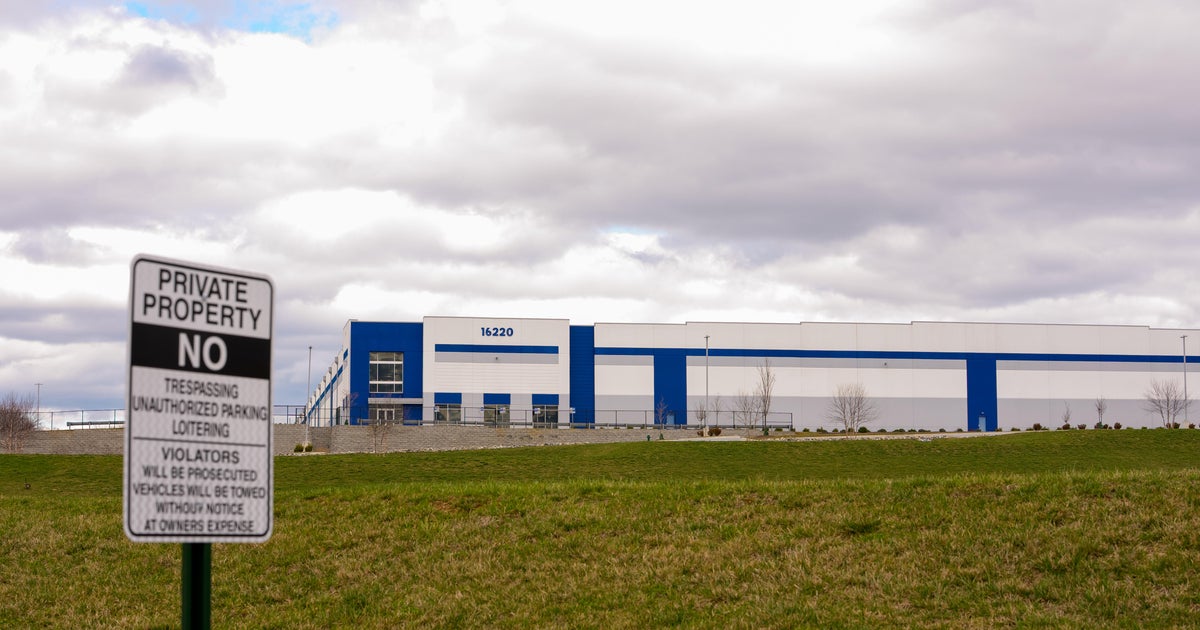
On a stretch of Howell Mill Road, where tech offices meet a rapidly changing Atlanta skyline, a protest planned for Friday is shaping up to be about far more than a single company.
Organizers are calling it "Flock and ICE Out of ATL," a demonstration aimed at -but the tensions surrounding it reach into deeper questions about surveillance, policing, and who gets to define public safety in 2026.
At the center of it all: a growing unease over how data, and power intersect in everyday life.
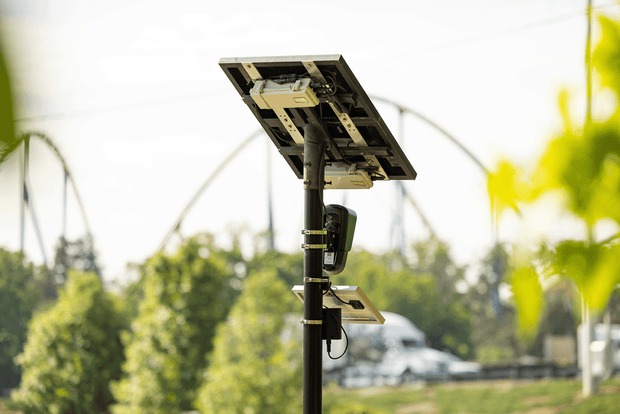
A protest rooted in a bigger moment
Friday afternoon's rally outside Flock Safety's Atlanta headquarters, comes amid mounting scrutiny of license plate reader technology nationwide. Organizers say the protest is part of a broader movement challenging surveillance infrastructure and its potential consequences.
According to event organizers, the country have recently reconsidered or canceled contracts tied to similar technology, reflecting what they describe as a shift in public awareness.
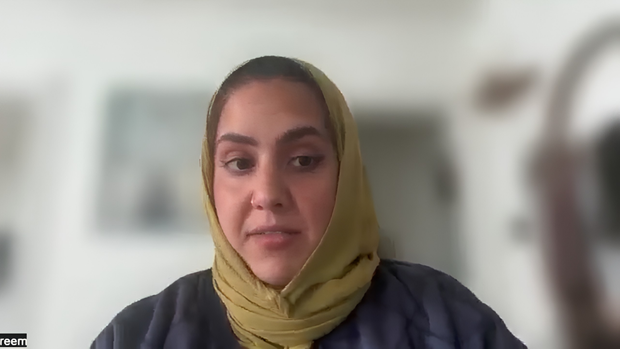
"This is about rejecting surveillance as a model for public safety," said Reem Suleiman, a campaign director with one of the groups behind the protest.
For many involved, the issue is not just technological—it's political and deeply personal.
Sarah Philips, one of the group's organizers, said Flock Safety is not wanted in the city, and she said fears continue to rise for people's safety and privacy, particularly those in immigrant and marginalized communities.
"We do not want Flock in our communities," Philips said. "We don't want Flock in Atlanta. We don't want Flock in Georgia. We don't want Flock in the United States, and it's frankly disgusting that this company is making money off of our movements and existence."
Other protesters shared similar sentiments on what they feel is Flock's potential harm to immigrants and marginalized communities. Other factors that were top of mind for protestors like Taylor Arnold is the scale of surveillance from Flock Safety, how its shared across cities, businesses, and neighborhoods, along with the potential for misuse or unauthorized access.
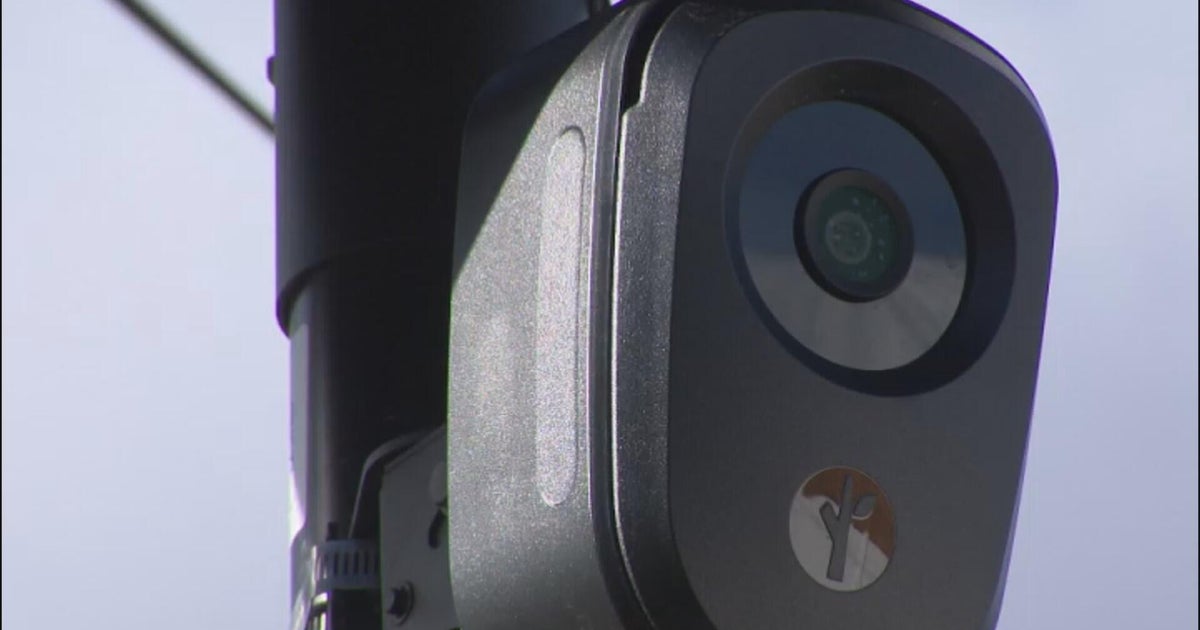
"On the way here [to the protest], I think I may have passed 20 Flock cameras," Arnold said. "So, my car was tracked 20 times just getting here, and the question is, do we really want to be living in this type of community where surveillance is now the answer to public safety?"
What Flock Safety says
Flock Safety, which provides systems to law enforcement agencies across the country, says it welcomes the protest as part of the democratic process—but strongly disputes key claims driving it.
"There is misinformation out there that Flock works with ICE… and it's simply not true," company spokesperson Holly Beilin told CBS News Atlanta.
Beilin said the company does not have contracts with federal immigration agencies, including ICE or Customs and Border Protection, and instead primarily serves local police departments.

She also emphasized built-in safeguards, including:
- Data retention limits (typically 30 days)
- Audit logs tracking every search in the system
- Tools to flag unusual usage patterns by law enforcement
The company argues that its technology can reduce bias in policing by focusing on specific vehicle data—rather than subjective suspicion—and has helped solve crimes, locate missing persons, and intercept suspects.
Where the disagreement begins
But critics say the issue isn't just about formal contracts—it's about how data moves once it exists.
Organizers and advocates argue that even if companies don't directly partner with federal agencies, information can still be accessed indirectly through local law enforcement networks or informal sharing practices.
"There are ways this data can be accessed… sometimes off the books," Suleiman said, pointing to reporting and advocacy work cited by organizers.
They also raise broader concerns:
- The scale of surveillance across cities, businesses, and neighborhoods
- The potential for misuse or unauthorized access
- The impact on immigrant communities and marginalized groups
Some critics go further, questioning whether surveillance technology actually prevents crime — or simply documents it after the fact.
Atlanta as a flashpoint
Atlanta's role in the debate is not incidental.
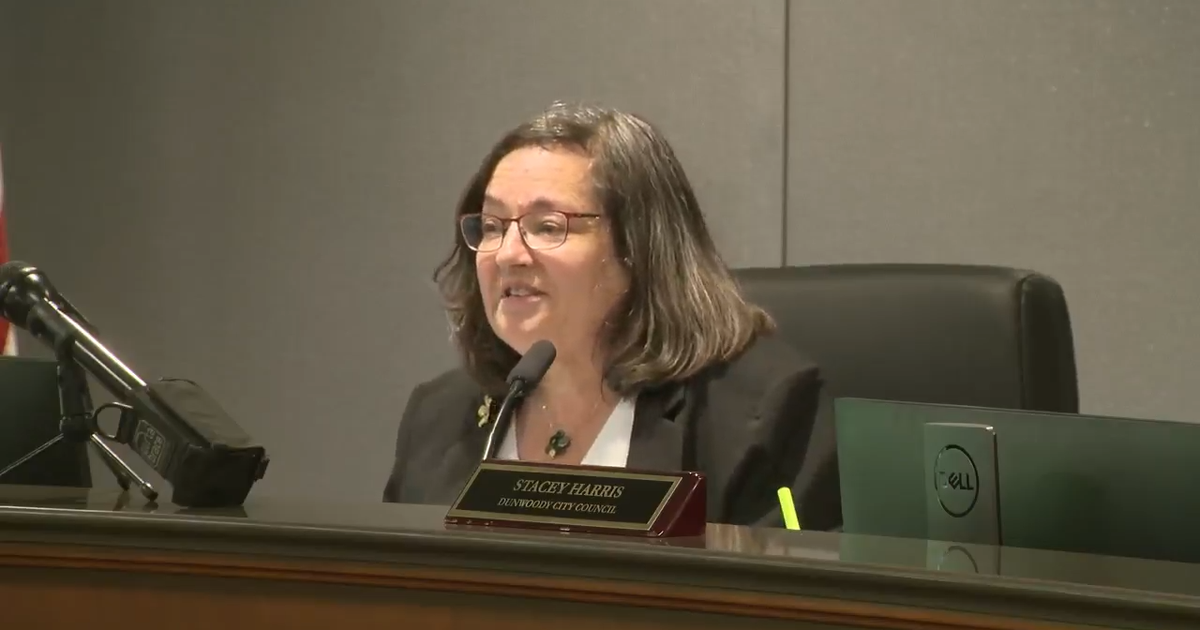
The city has become a focal point for conversations about policing, surveillance, and civil liberties—from the to ongoing debates in suburbs like Dunwoody and Brookhaven over public safety technology.
Advocates say that context makes this moment feel urgent.
"Atlanta is one of the most heavily surveilled cities in the country," Suleiman said, arguing that residents should question how that infrastructure is used and who it ultimately serves.
At the same time, many local leaders and residents have supported the tools, citing their role in solving crimes and improving response times.
The line between safety and surveillance
At its core, the debate reflects a broader national tension: how to balance safety with privacy in an era where data is constantly collected, stored, and analyzed.
Flock Safety says that balance is achievable and necessary.
"We certainly believe that you can have both," Beilin said, pointing to limits on data storage and oversight mechanisms built into the system.
Critics remain unconvinced.
"If public safety comes at the expense of certain groups… that cannot be public safety," Suleiman said.
What happens next
For now, both sides appear dug in — but Friday's protest could serve as a turning point in a debate that has largely played out in city council meetings, policy documents, and advocacy campaigns.
Organizers say success isn't necessarily measured in immediate policy change, but in visibility.
For Flock Safety, the moment is an opportunity to push back on what it sees as widespread misconceptions.
And for Atlanta residents, the question may be less about one protest — and more about what kind of city they want to live in:
One where technology quietly watches in the name of safety, or one where that very watching becomes the issue.