Celebrating queer botany during Pride Month in Chicago
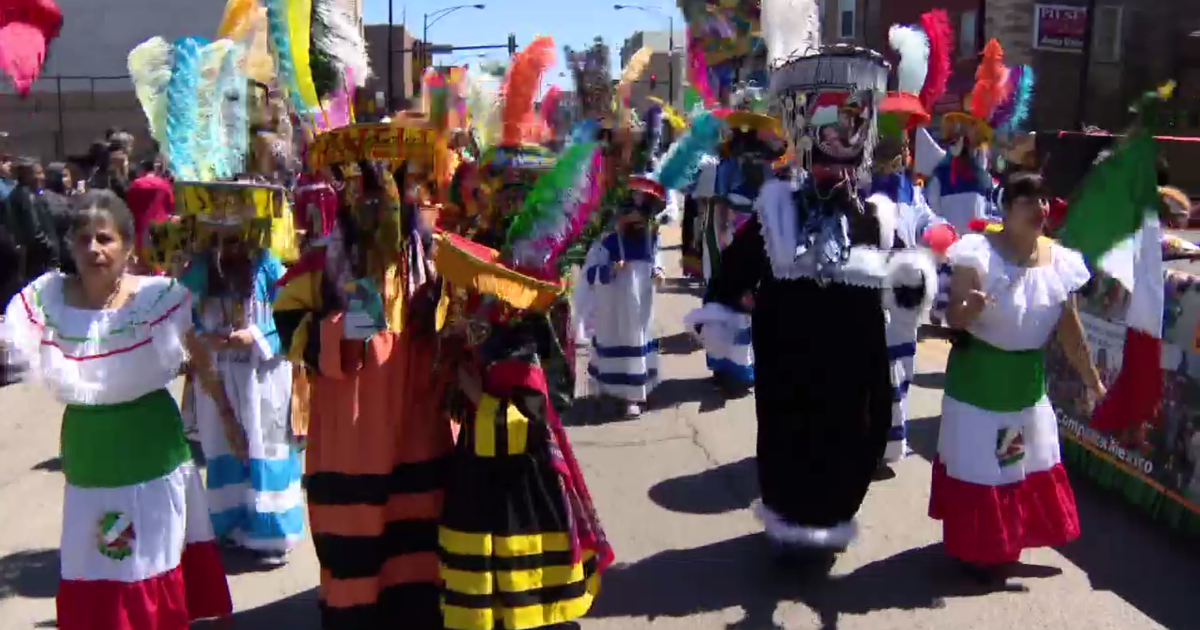
CHICAGO (CBS) — When thinking of Pride Month, images of colorful concerts, exhibits and parades come to mind.
What about flowers, like violets and lavender?
The Field Museum took a less human-centered approach and celebrated with their event, "Queer Botany: Flowers and their Connection to the LGBTQ+ Community."
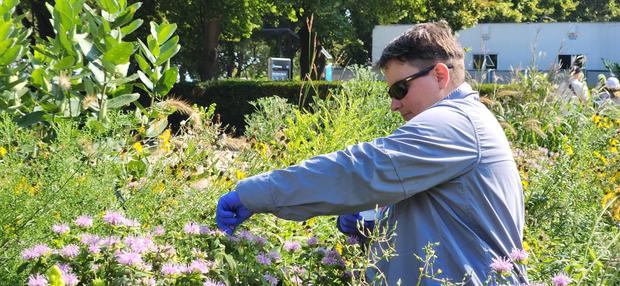
Aster Hasle, the lead conversation ecologist at the Keller Science Action Center, led the Q&A-style event. They work both inside the museum and on field research about the relationships between plants, pollinators, and the people around them.
"All things are connected to each other, and plants are the base," Hasle said.
stems from , a collection of practices that work to break down the framework that humans are separate from nature and integrate the idea that all nature exists on a spectrum instead of binaries.
According to the Natural Wildlife Federation, queer ecologies "challenge the practice of only interpreting the natural world through the hetero-normative perspective that dominates Western human society and invites us to embrace a more inclusive and diverse understanding of the world around us."
Pride in Nature
"I think all nature is inherently queer," Hasle said. "There are so many flowers that after they pollinate, they change sex."
One example is the Japanese Cobra Lily, also known as the Jack-In-The-Pulpit. The serpent-shaped flower changes its gender from year to year, according to the .
The Japanese Cobra Lily blooms male flowers with pollen at the beginning of its life cycle. Then, as the plant ages, it produces fruit and transforms into a female to become pollinated.
There also is an overlap between terminology used by botanists and the LGBTQIA2S+ community. Lilies, tulips, and roses are all 'bisexual' flowers because they have both male and female reproductive organs, or stamens and carpels, according to The Field Museum.
Certainhave also been adopted as symbols, representing solidarity or personal identity throughout history for LGBTQIA2S+ communities.
Many pre-colonized Native American communities and current Indigenous tribes acknowledge that there are multiple genders, including two-spirited people, or the '2S' at the end of LGBTQIA2S+.
It could be argued that Indigenous communities inherently live more in alignment with what queer ecology hopes to achieve because they have much deeper connections with the nature around them.
In fact, of the remaining intact forests are on Indigenous People's lands, and they protect a majority of the world's remaining biodiversity.
Queer flora and fauna
Initially used as a pejorative in the early 20th century, was adopted and reclaimed by the LGBTQIA2S+ community.
So, when asked what the "queerest" flowers are in Illinois, Hasle said the answer depends on which definition is being used.
The term queer has become an umbrella term for people who are not cisgender or heterosexual. The word's initial definition is strange, unconventional, or different from the norm. Hasle answered the latter.
"I'm a lover of weeds. I love the ones that spread everywhere," Hasle said.
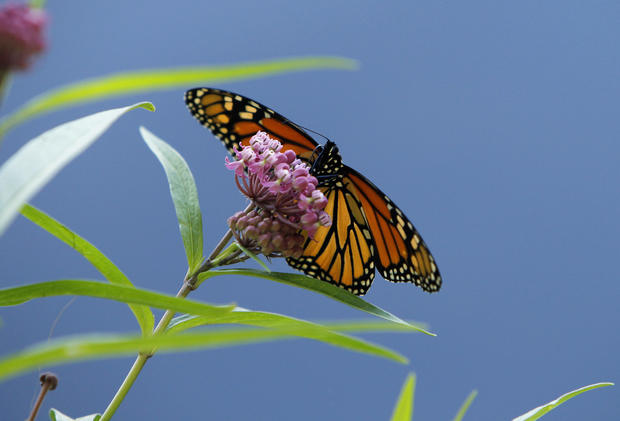
Milkweed
"I love it because it spreads itself down the center of the highway, and it's like, 'If you run over me, I will spread more! You mow me down, the more I take over!' And I love that," they said.
Milkweed is to the survival of monarch butterflies. It is the only plant that monarch caterpillars eat, and they have evolved to be immune to its toxins, which protect the caterpillars from predators.
The plant's leaves feel smooth on top and like velvet underneath. Milkweed is a food source for more than 450 insects and contributes to a healthy food chain, according to the
Leadplant
"I love an underdog," Hasle said. "Certainly there are connections there to a community that, at times in history, has lived a little bit out of the public eye."
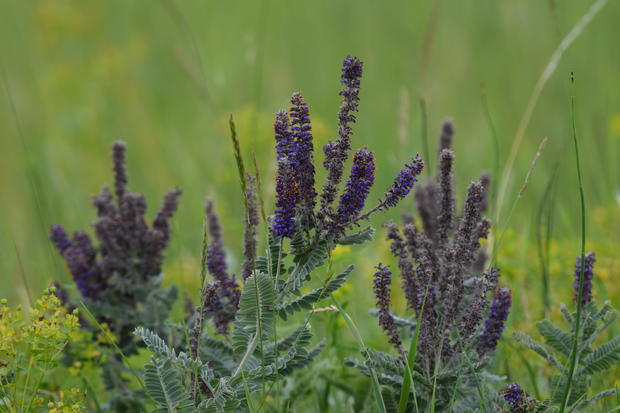
Above ground, Leadplant is a low-growing, purple shrub-like plant. "It has dusky leaves and will never be a popular horticultural plant because it kind of flops over," Hasle said.
Underground is where Leadplant really blossoms. It's nicknamed the "prairie shoestring" because it stretches its roots over 15 feet below ground.
Bison can trample it, or it can get caught on fire, yet " it's got a whole life going on down below, so I love that plant for that reason," they said.
Leadplant is important to a prairie's ecosystem. Its roots are a vital source of nitrogen for other plant species in prairies and also help combat soil erosion, according to the USDA Plant Database.
The plant is also a nutritious food source for grazers like deer and rabbits pollinators like bees and butterflies and other insects.
More than colors
As soon as June 1 arrives, Pride flags and swag are found around every corner in Chicago and other big cities around the United States. While visibly occupying public space is a major factor of Pride, there have been that the celebrations have become too commercialized.
Much like flowers are more than their colors, the 'roots' of Pride go much deeper.
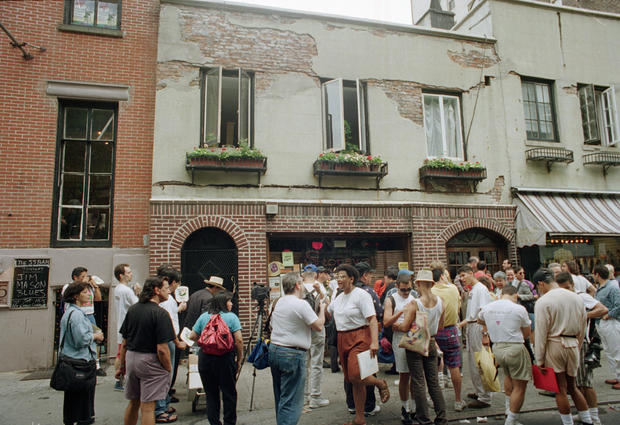
In 1970, the first Pride marches were held in New York, Los Angeles and Chicago. Thousands of LGBTQIA2S+ people flocked to the streets as a call for equal rights and to commemorate the1969 Stonewall Riots.
On June 28, 1969, New York police raided the gay bar, Stonewall Inn. It was not the first time police raided the Inn, but it was the days of rebellion that followed that "fundamentally changed the discourse surrounding LGBTQ+ activism," according to the .
There were many uprisings before Stonewall that contributed to the ongoing fight for gay liberation, a movement predominately by Black lesbians and trans people of color.
Activists and collectives, like the , are working to re-center "the spirit of the Stonewall Riots" by rejecting corporate sponsorships and police involvement.