Colorado TABOR refund proposal sparks debate over potentially deceptive ballot wording
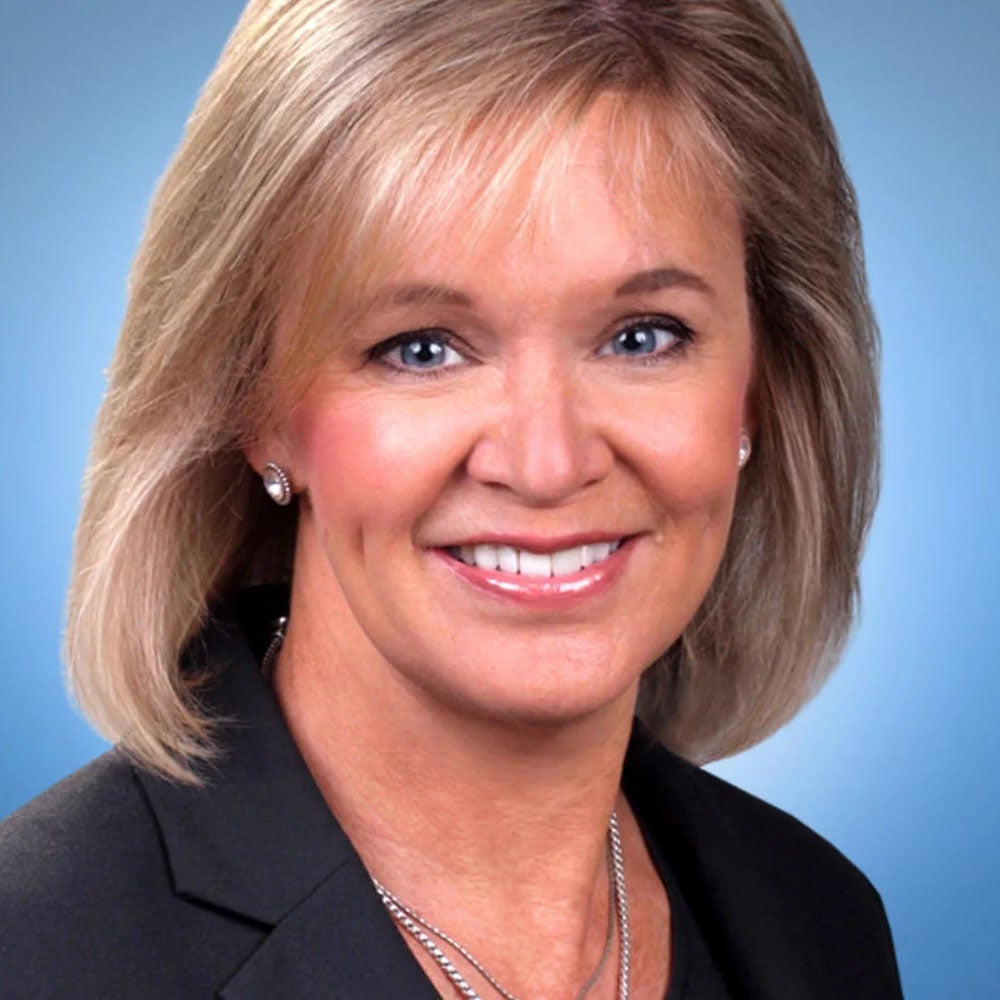
Colorado voters could be asked this November whether to retain an extra $6 billion in revenue that would otherwise be refunded under the Taxpayer's Bill of Rights, or TABOR. But the question on the ballot will be phrased differently.
The state Title Board, which reviews ballot measures to ensure the language is clear and not misleading, found a discrepancy between what the measure says and what it does.
While the board has the final say in how citizen-led initiatives are worded, it has no oversight of measures that lawmakers refer to the ballot.
Depending on who you ask, the lawmakers who wrote this measure were either being very strategic, or very sneaky.
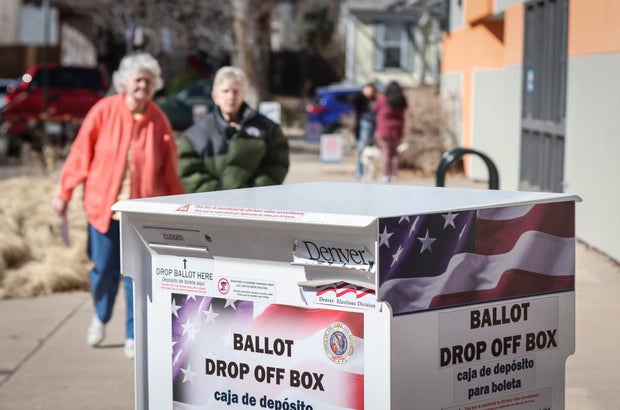
"When I see 'increased teacher pay,' I don't think there's a better catchphrase to get the hearts of taxpayers," said Jon Caldara, president of the libertarian-leaning think tank, the Independence Institute. "I believe it needs to make it very clear that, like Referendum C in years past, this means you will not be getting TABOR refunds when they are available."
Caldara asked the Title Board to review Initiative 282, a measure mirroring Senate Bill 135, which was introduced by Democratic lawmakers.
If passed, the bill would refer a question to the ballot asking voters whether to invest more in K-12 education -- specifically for teacher pay and retention, smaller class sizes, and expanded career and technical education -- without raising taxes.
But Caldara argues the proposal does not guarantee funding for those purposes.
"When you read the bill, there's nothing that requires any of this money to go to teacher pay, or teacher retention, or smaller class size," he said. "In fact, a minority of the money that comes from this goes to education at all. Eighty-five percent of the money they take from you goes to whatever the legislature wants, not education."
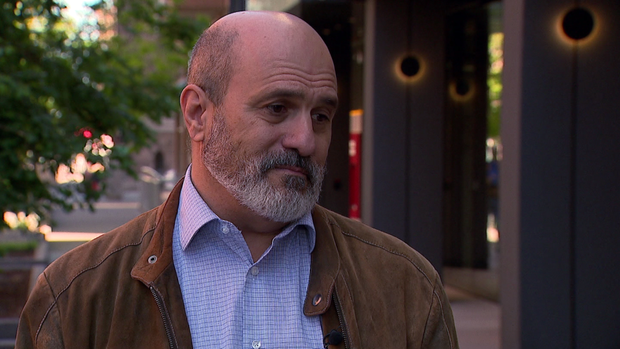
The Title Board agreed with Caldara. It rewrote the question, making no mention of teacher pay and class sizes.
The revised language instead asks voters whether to change state law to allow the legislature to retain and spend additional revenue, with only a portion designated for schools and the remainder available for any purpose.
"This is a huge blank check to the legislature," Caldara said. "The Title Board just proved it."
He also argued lawmakers should be more transparent with voters about the measure's impact.
"This is a way to cover their hineys because they got themselves into spending trouble," he said.
The Colorado Education Association pushed for Senate Bill 135 and union president Kevin Vick released a statement saying: "While there were some minor language changes, the Title Board held up the core provisions of our potential ballot initiative, including single subject, so we look forward to continuing to work in the legislature to successfully refer this measure."
The debate echoes a previous fight over Proposition HH, a 2023 measure that supporters said would reduce property taxes, but which voters rejected 60% to 40%. Caldara said he submitted a similar citizen initiative at the time, and the Title Board also revised its language.