Experts explain health concerns about micro- and nanoplastics in water. Can you avoid them?
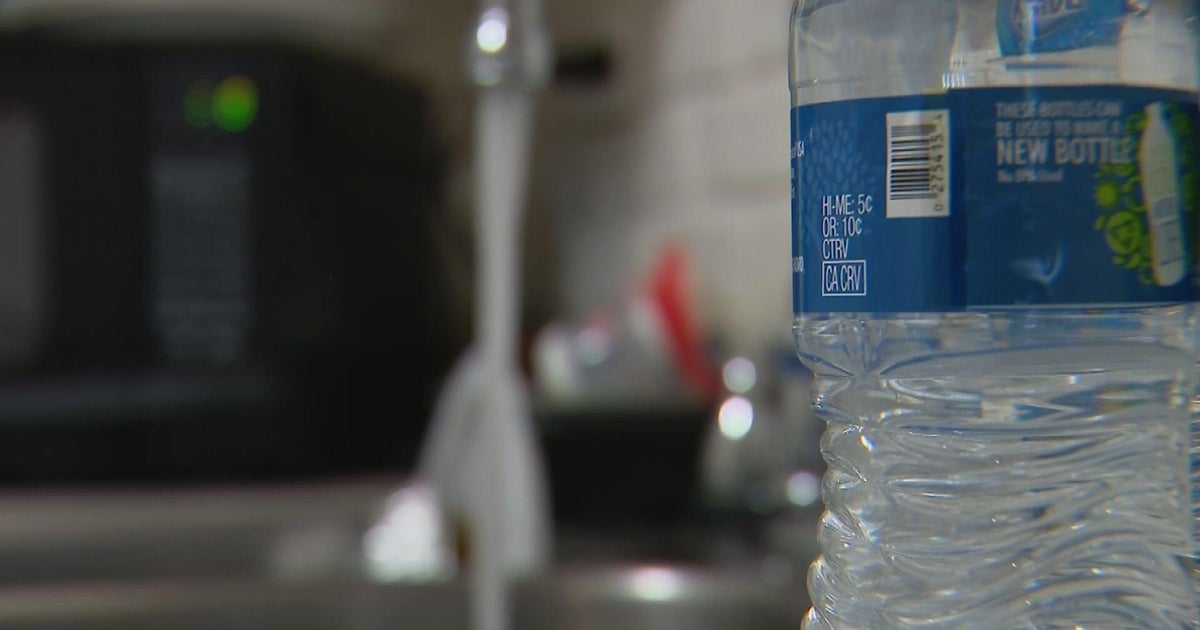
A recent study found bottled water contains far more pieces of plastic — tiny bits known as microplastics and even more minuscule nanoplastics — than previously estimated. The findings raise questions about potential health concerns, but experts say there some ways to reduce your exposure.
Just how much plastic are we talking about? The average liter of bottled water contains around 240,000 detectable plastic fragments, researchers in the study, published Monday in the journal .
What are nanoplastics and microplastics?
Micro- and nanoplastics are both tiny fragments of plastic which just differ in size. Microplastics are small plastic pieces less than 5 millimeters long. These have been measured in large quantities in previous studies.
In the latest study, researchers also examined nanoplastics, which are particles less than 1 micrometer — a size "previously invisible under conventional imaging," they wrote. For reference, the diameter of a human hair is about 70 micrometers.
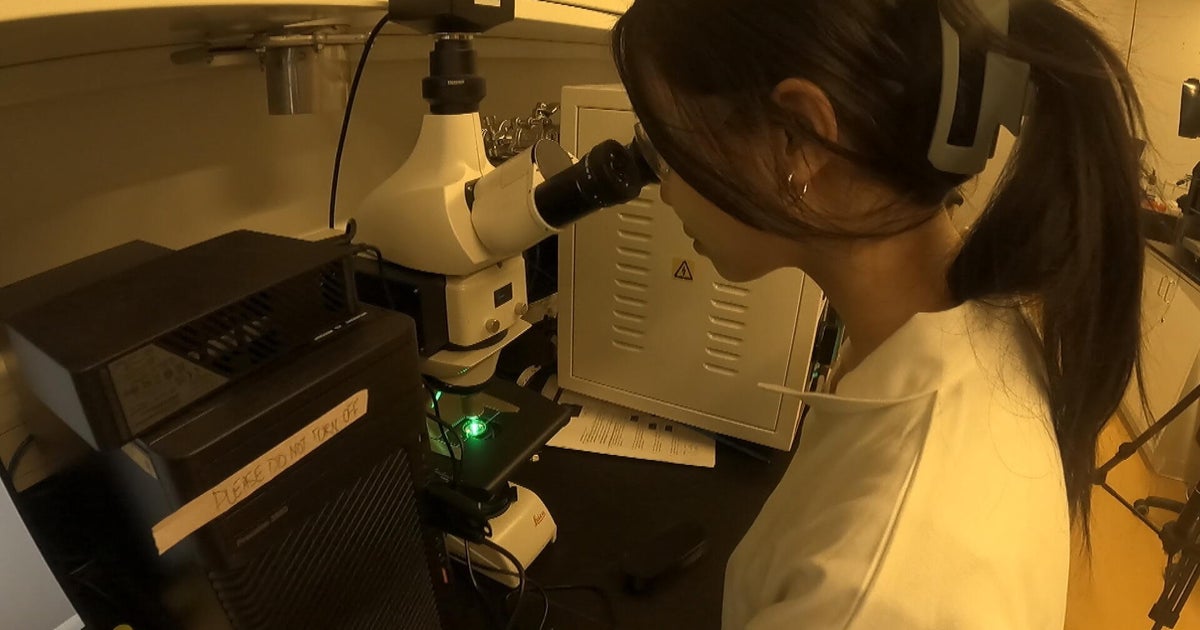
They were able to find nanoplastics by probing water samples with lasers that were tuned to make specific molecules resonate.
They found that nanoplastics made up 90% of the plastic particles detected in the water samples, while microplastics accounted for the other 10%.
In response to the study, the International Bottled Water Association noted that there "currently is both a lack of standardized (measuring) methods and no scientific consensus on the potential health impacts of nano- and microplastic particles. Therefore, media reports about these particles in drinking water do nothing more than unnecessarily scare consumers."
Can you avoid plastics in water?
It's very hard to avoid this kind of nanoplastic exposure, says Dr. Céline Gounder, a CBS News medical contributor and editor-at-large for public health at KFF Health News. This is because plastic can be found in any beverages we consume from plastic bottles, and it's in our food supply and in the environment as well.
One basic step you can take? Avoid plastic packaging when possible. "That will help reduce some of the risks," Gounder said on "CBS Mornings."
"Don't microwave your food in plastics," she advised. For food storage, "Try to use containers like glass or stainless steel. At least that'll help reduce your exposure a little bit."
Since some water filters can actually introduce other plastics, Gounder says, she suggests most people go straight to their tap for drinking water.
"Tap is generally going to be safe unless you have an area where there's lead pipes or something like that," she said.
has also found microplastics present in tap water, though far less than in bottled water.
Are plastic water bottles bad for you?
Researchers are unsure just how risky microscopic pieces of plastics are for people — it is a subject of ongoing research.
The International Bottled Water Association notes that there is "no scientific consensus on potential health impacts."
The World Health Organization said in 2019 that potential hazards associated with microplastics come in three forms: from the particles themselves, the chemicals that make them up, and "microorganisms that may attach and colonize on microplastics, known as biofilms."
"We don't know if the plastic itself can cause health effects, but they are bonded to, or combined with, other chemicals like phthalates, for example, which are what make plastic more flexible," Gounder explains. "So when you get these tiny pieces of plastic, you're also getting exposed to these other chemicals."
These chemicals, known as "endocrine disruptors," can mimic things like estrogen and have hormonal effects.
"Those hormones or higher exposures to those kinds of hormones can be associated with anything from diabetes, to neurocognitive effects in little kids to cancer. So that is why we have some real concerns about these exposures," Gounder said.
The study's researchers also note that "nanoplastics are believed to be more toxic since their smaller size renders them much more amenable, compared to microplastics, to enter the human body."
Beizhan Yan, an environmental chemist at Columbia University, also believes there is cause for concern.
"When they are getting into the nano size, they can potentially get into the blood and then they can be transported to the vital organs," he told CBS News.
-Aliza Chasan and David Schechter contributed reporting.