What is a good credit score and what factors determine it?
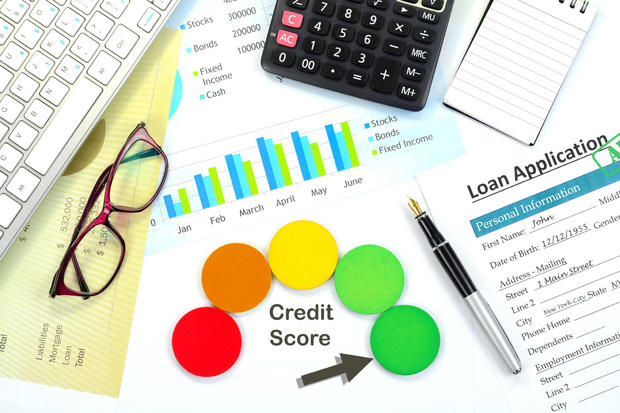
If you're trying to level up your personal finance game, working on your credit score is a good place to start. But what actually constitutes a good score? And, more importantly, how do you increase it?
There are a number of factors that influence your credit score, and it's important to address each one in order to raise it as high as possible. In this article, we'll go over those factors and give you an idea of what kind of score to shoot for.
And remember: if your credit score is low, or simply not as high as you want it to be, you have options. .
What is a good credit score and what factors determine it?
FICO and VantageScore are the two main companies that compile credit scores. FICO is used by 90% of lenders, while VantageScore is mainly used by sites that offer free credit scores. Both companies use a similar scoring algorithm, so the two credit scores should be relatively similar.
FICO and VantageScore credit scores range between 300 and 850. Anything above 670 is considered good, while scores above 800 are considered excellent.
Building a good credit score is simpler than you think, but it will take time. The most important factor is the payment history, which makes up 35% of your credit score. If you consistently make your bill and loan payments on time, your score will improve.
Late payments past 30 days will be reported to the credit bureaus. The later the payment, the worse the impact it will have on your credit score. If you forget to pay a loan or credit card bill, you should make it as soon as possible.
The next most important factor in a credit score is your credit utilization percentage, or how much credit you currently use compared to how much total credit you have. This makes up 30% of your credit score.
To calculate your credit utilization percentage, add the current balance on your credit card and divide it by the total credit limit on the card. You should have a credit utilization percentage of 10% or less to maximize your credit score.
You can improve the credit utilization percentage by paying down your credit card balances. Start with the card with the highest utilization percentage and get it below 10%.
If you've found yourself deeper into debt and your credit has suffered you can also get help. and start improving your score.
How to find your credit score
There is no one credit score for each consumer. Both FICO and VantageScore produce different credit scores for different types of loans. They also update the scoring algorithm every few years. That's why every consumer may have multiple credit scores.
In general, you can use free services to look up your credit score. Many banks and credit card providers also provide a free credit score. Just be aware that you will likely not see the same score that a lender will see.
Checking your score regularly is a good way to monitor change and ensure that it's trending upward. It's good to view your score at least once a month to ensure that no mistakes have been reported to the credit bureaus and that you haven't done anything to hurt your score.
It's important to .
Benefits of having a good credit score
Good credit is crucial when applying for loans, lines of credit and credit cards. Approval is much easier when you have good credit, and you're more likely to qualify for a low-interest rate.
Here's how much a good credit score can help you. Let's say you want to take out a $200,000 mortgage, and you have a credit score between 620 and 639. You may qualify for a 6.788% interest rate on a 30-year mortgage. If you had a credit score between 680 and 699, however, you would qualify for a 5.598% interest rate and end up saving $55,565 in total interest.
Having good credit can also make it easier to set up utilities for a house or apartment. If you don't have good credit, you may have to provide a refundable deposit. Car insurance companies will also run a credit check, and those with good credit may pay lower premiums than those with poor credit.
Have a poor or lower credit score? .