91³Ô¹ÏÍø

Watch CBS News

Why you should open a CD now

gettyimages-945786646.jpg
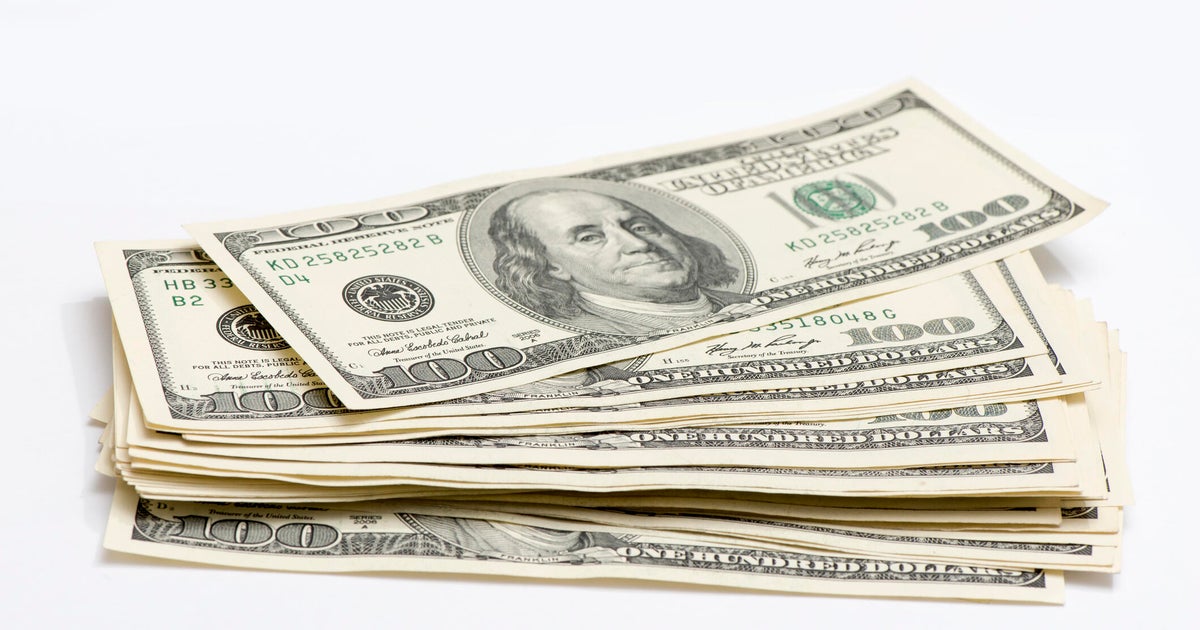
A certificate of deposit (CD) is a great way to protect and grow your money. Getty Images/iStockphoto

After another rate hike from the Fed and still nagging inflation humming in the background, securing a robust savings can be incredibly important for Americans today. 

If you want to protect and grow the money you have, opening a high-yield savings account or certificate of deposit (CD) can help you take advantage of today's high rates to boost your balance.

CDs may have particular appeal for today's savers. These high-earning accounts offer fixed interest rates that allow you to lock in today's high APY through your entire account term. 

!

Why you should open a CD now

Here are three reasons why a CD could be worthwhile for your savings today.

You'll earn more interest

Every dollar counts, and a CD can help you earn many more dollars than a traditional savings account. Interest rates on savings accounts currently hover around 0.43% nationally, according to the , but rates for some CDs can range as high as 5% or even more, depending on the bank. You can find CDs with no penalties for early withdrawal too, although those tend to offer slightly lower rates. 

How much more interest are you losing by not moving your money into a CD? Let's use a $5,000 deposit as an example. A one-year CD with even just a 5% interest rate would grow that $5,000 to $5,250 over 12 months while a savings account (at 0.43%) would boost that same deposit to just $5,021.50. There are multiple CDs currently available with a 5% APY and no fees that you can open online today.

.

The rate is fixed

Unlike high-yield savings accounts with variable interest rates, which fluctuate over time, rates for CDs remain steady and untouched over the entire term. That's because CDs have fixed interest rates. The rate your account earns when you sign up will be the same it earns at maturity — injecting some much-need predictability into your budget. 

This can be a particularly good benefit today, since we could be reaching an interest rate peak without much knowledge about where rates could go next. Even if rates drop over your account term, your CD will still be locked in at that initial high rate. It can be even more useful to lock in a long-term CD now, for this reason.

In short: Even if rates on other products fall over the lifetime of your CD, you can rest assured knowing that your money will continue to earn interest at . 

Your money is safe

It's beneficial to have a way to protect your money, both from larger economic headwinds and your own impulse purchases

CDs require you to lock in your deposit for the agreed-upon term length when you open the account. As such, you won't be able to access your money throughout that term unless you're willing to face a penalty fee for doing so. These penalties could be a portion or all of the interest you've earned on the CD to date (fees can vary depending on your individual account balance and bank requirements). While that means it's important to only put money into the CD that you don't need immediate access to, it can also be a great incentive to make sure you don't spend the cash elsewhere.

!

The bottom line

In today's economic climate, many Americans are looking for any edge they can get. Certificate of deposit accounts can help you stay ahead with higher interest rates that you'll maintain throughout the full CD term despite any market fluctuations or economic changes. These accounts can also safeguard funds you may have otherwise spent if they were accessible in a regular savings account. 

So, if you're looking to both protect your money and grow it at a higher interest rate, now is an opportune time to open a CD. !
View CBS News In
CBS News App Open
Chrome Safari Continue
const link = doc.createElement('link'); link.rel = 'stylesheet'; link.href = '/fly/fly/bundles/cbsnewscontent/css/cmp-banner.min.css?v=50747257b890e014813016b79ece0fb2'; doc.head.appendChild(link); doc.body.innerHTML = CONSENT_MESSAGE; } else { el.insertAdjacentHTML('afterend', CONSENT_MESSAGE); } }); } function hidePrivacyMessage() { // Remove from the main document document.querySelectorAll(`.${CONSENT_MESSAGE_CLASS}`).forEach(el => el.remove()); // Remove from inside any iframes document.querySelectorAll('iframe').forEach(iframe => { const doc = iframe.contentDocument || iframe.contentWindow.document; doc.querySelectorAll(`.${CONSENT_MESSAGE_CLASS}`).forEach(el => el.remove()); }); } function activateGatedScripts() { // Handle both new format (cmp-gated-script) and old OneTrust/Ketch format (optanon-category-4) const gatedScripts = Array.from(document.querySelectorAll('script.cmp-gated-script, script.optanon-category-4')); // Activate scripts sequentially with a small delay to avoid timing issues let delay = 0; gatedScripts.forEach(function(placeholder, index) { setTimeout(function() { // Skip if already processed if (placeholder.hasAttribute('data-cmp-processed')) { return; } placeholder.setAttribute('data-cmp-processed', 'true'); const newScript = document.createElement('script'); newScript.type = 'text/javascript'; // Try new format first (data-cmp-src), then fall back to old format (data-src) const src = placeholder.getAttribute('data-cmp-src') || placeholder.getAttribute('data-src'); if (src) { newScript.src = src; } else if (placeholder.textContent) { // Inline script - just copy the content newScript.textContent = placeholder.textContent; } // Handle new format attributes (data-cmp-attrs) - for both inline and external scripts const attrs = placeholder.getAttribute('data-cmp-attrs'); if (attrs) { const tempDiv = document.createElement('div'); tempDiv.innerHTML = '
<\/div>'; const tempAttrs = tempDiv.firstChild.attributes; for (let i = 0; i < tempAttrs.length; i++) { // For external scripts, allow defer/async. For inline scripts, skip them (not valid) if (src || (tempAttrs[i].name !== 'async' && tempAttrs[i].name !== 'defer')) { newScript.setAttribute(tempAttrs[i].name, tempAttrs[i].value); } } } // Copy other attributes from old OneTrust format for (let i = 0; i < placeholder.attributes.length; i++) { const attr = placeholder.attributes[i]; // Skip attributes we've already handled or don't want to copy if (!['class', 'data-src', 'data-type', 'data-cmp-src', 'data-cmp-attrs', 'data-cmp-processed', 'type', 'async', 'defer', 'src'].includes(attr.name)) { newScript.setAttribute(attr.name, attr.value); } } placeholder.parentNode.replaceChild(newScript, placeholder); // If external script, manually trigger window.onload handlers after it loads // This handles widgets that use window.onload for initialization if (src) { newScript.addEventListener('load', function() { // If page already loaded and script set a new onload handler, trigger it if (document.readyState === 'complete' && window.onload) { const originalOnload = window.onload; window.onload = null; // Clear temporarily to prevent loops originalOnload(); // Execute the handler } }); } }, delay); delay += 500; // 500ms delay between each script to allow full loading }); } cbsoptanon.onScriptsReady(function(cmp) { cmp.ot.targetingAllowed(function(allowed) { if (!allowed) { showPrivacyMessage(); } else { activateGatedScripts(); } }); cmp.ot.awaitInitialConsent(function(consent_model) { cmp.ot.addOnConsentChangedHandler(function() { cmp.ot.targetingAllowed(function(allowed) { if (allowed) { hidePrivacyMessage(); activateGatedScripts(); } else { showPrivacyMessage(); } }); }); }); });