Upgraded San Francisco emergency communications network nears completion
There are many layers to a coordinated emergency response – time, clear communication, and efficient technology are all key.
In San Francisco, the city is modernizing its systems to ensure that, in the event of a disaster, nothing hinders the ability to communicate, coordinate, and respond.
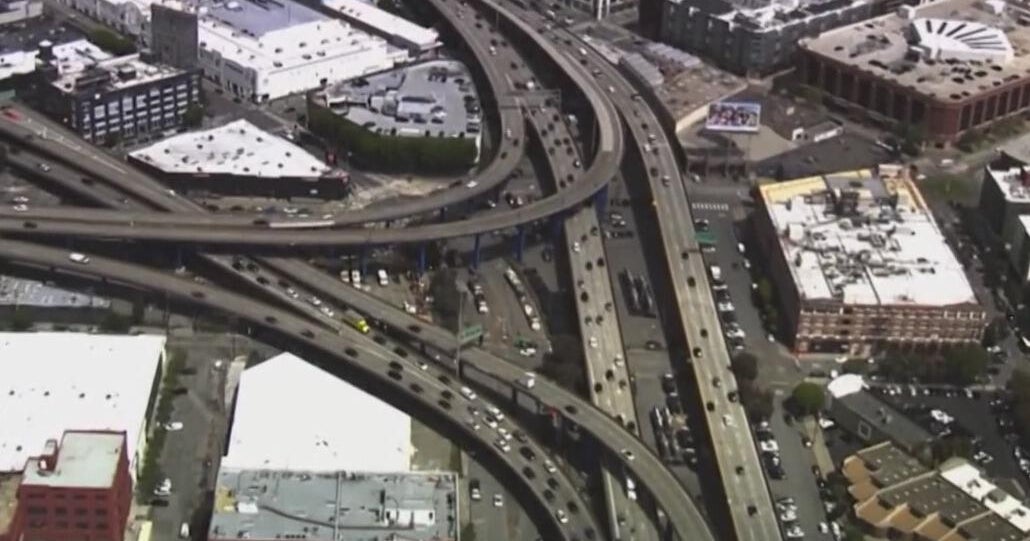
"Our emergency responders need a digital highway. Strong, resilient, wide, highway, to make sure that the data of today gets delivered to where it needs to go," said Michael Makstman, Executive Director of the Department of Technology. "We're building the highway to make sure that the new types of data – whether video, audio, or traditional data – has no slowdown."
He's talking about a 25-year effort, largely underground, which is nearly complete.
San Francisco now has its own high-speed, discreet fiber network, and all the agencies involved in an emergency response will be connected to it. All police and hospitals are linked up, and by the end of the month, all fire stations should be as well.
"I think it has created one of the first in the nation, high-speed, redundant, digital highways, that is not just prepared to take the communications that are so critical to emergency response today, but is really built with a view for the future," Makstman said.
The San Francisco Fire Department has 45 emergency response facilities. All but five are connected to the new network, and work to get those facilities connected is slated to be finished soon.
"The modern network system has layers of redundancy that gives us a level of resilience that didn't exist before," said Assistant Deputy Chief Garreth Miller, who heads up Earthquake Safety and Emergency Response for SF Fire.
Back in 1989 when the Loma Prieta earthquake struck, overloaded emergency phone lines complicated the response. Those issues led to delayed knowledge of the fire in the Marina at Beach and Divisadero.
In today's day and age, in densely populated areas where a lot of people are on their phones, people frequently have trouble getting a signal. That shouldn't be a problem with the city's emergency personnel on the fiber network, said Miller.
"Because it's an entirely independent network, it doesn't depend on any commercial systems, it's within our city network, and the fire department traffic is, in a number of ways, prioritized," Miller said. "We shouldn't suffer from any of those issues of so many people trying to communicate at the same time."
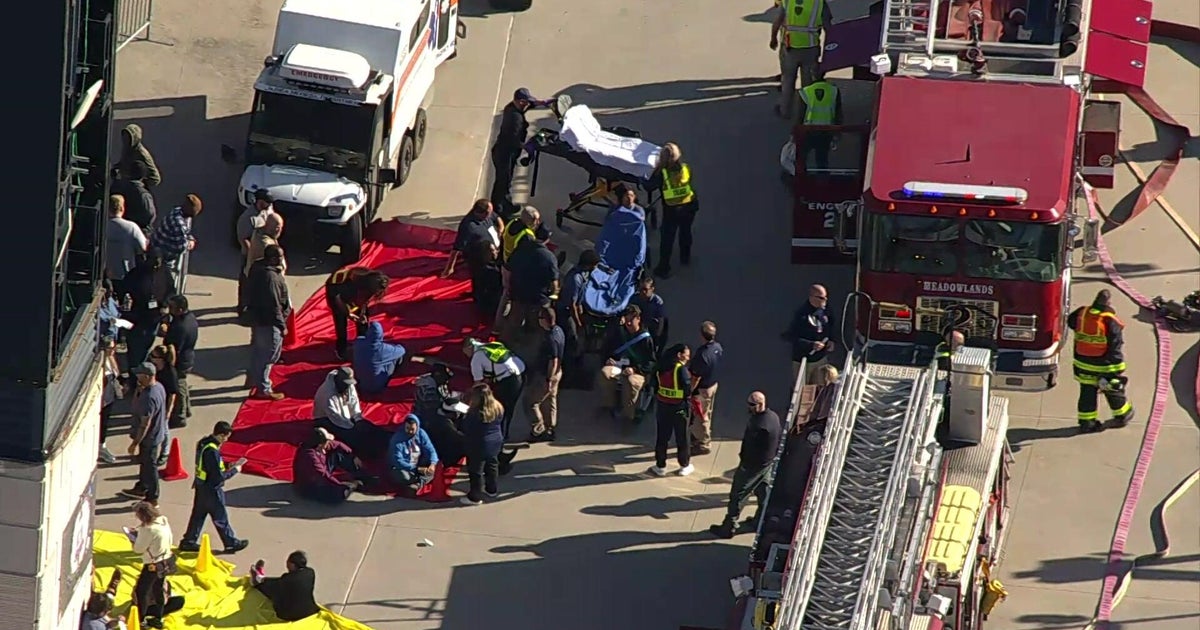
During a major emergency response, Miller says it's imperative that they can utilize all of their systems.
"In a disaster, one of the main ways that we communicate is with virtual meetings. Having that video conferencing capability is really essential for our disaster operations," he said. "Disaster planning is a never-ending exercise for the fire department."
The city's 911 call center is effectively the central nervous system for an emergency response.
"There is no margin for having systems down in 911," said Robert Smutz, emergency communications deputy director for the city's Department of Emergency Management. "Every second matters. We need to make sure we have the staff to answer calls without any delay, we need to make sure we can process those calls promptly, and get the information to first responders so they can get on scene and take care of things."
Smutz said there is another modernization project about a year away from completion.
"We are getting close to upgrading our CAD system – Computer Aided Dispatch – a $40 million project," Smutz said. "That should be a huge step forward in our capacity to coordinate emergency response. It will also improve the reliability and resiliency of the system."
All of the upgrades are key on a daily basis and will be when the next major emergency strikes.
"We know there will be a disaster," Makstman said. "We don't know when. But we've got to be prepared."